Blog

FEATURED

Wultra-Led Consortium Wins Tender to Deliver and Operate the Czech European Digital Identity Wallet

A consortium led by Wultra has won the tender to deliver and operate the Czech implementation of the European Digital Identity Wallet (EUDI-W), part of the EU-wide rollout of digital identity wallets under the revised eIDAS regulation.

EU Court Ruling on Phishing Refunds: What Banks Need to Know and Do

A new ruling from the Court of Justice of the European Union clarifies banks' obligations when phishing leads to unauthorized payments. Even if a customer has acted with gross negligence, banks cannot delay reimbursement on that basis. To recover the loss afterward, they must prove the customer's fraud or gross negligence, making supporting evidence increasingly important.

Device Binding in Banking Apps: How Banks Strengthen Mobile Identity

When a customer logs into their banking app, the bank is not just verifying their identity. It is also deciding whether the device can be trusted. This article explains how device binding works in banking, why it matters, and what banks should consider when implementing it.

Saudi Central Bank Sets Quantum Readiness Deadlines for Financial Institutions

Financial institutions in Saudi Arabia now face concrete deadlines to prepare for quantum computing risks. With the Saudi Central Bank (SAMA) issuing new requirements in August 2026, financial institutions now have specific milestones to work toward, and the first one arrives before the end of this year.

Authentication Flexibility Is Becoming a Strategic Capability for Banks

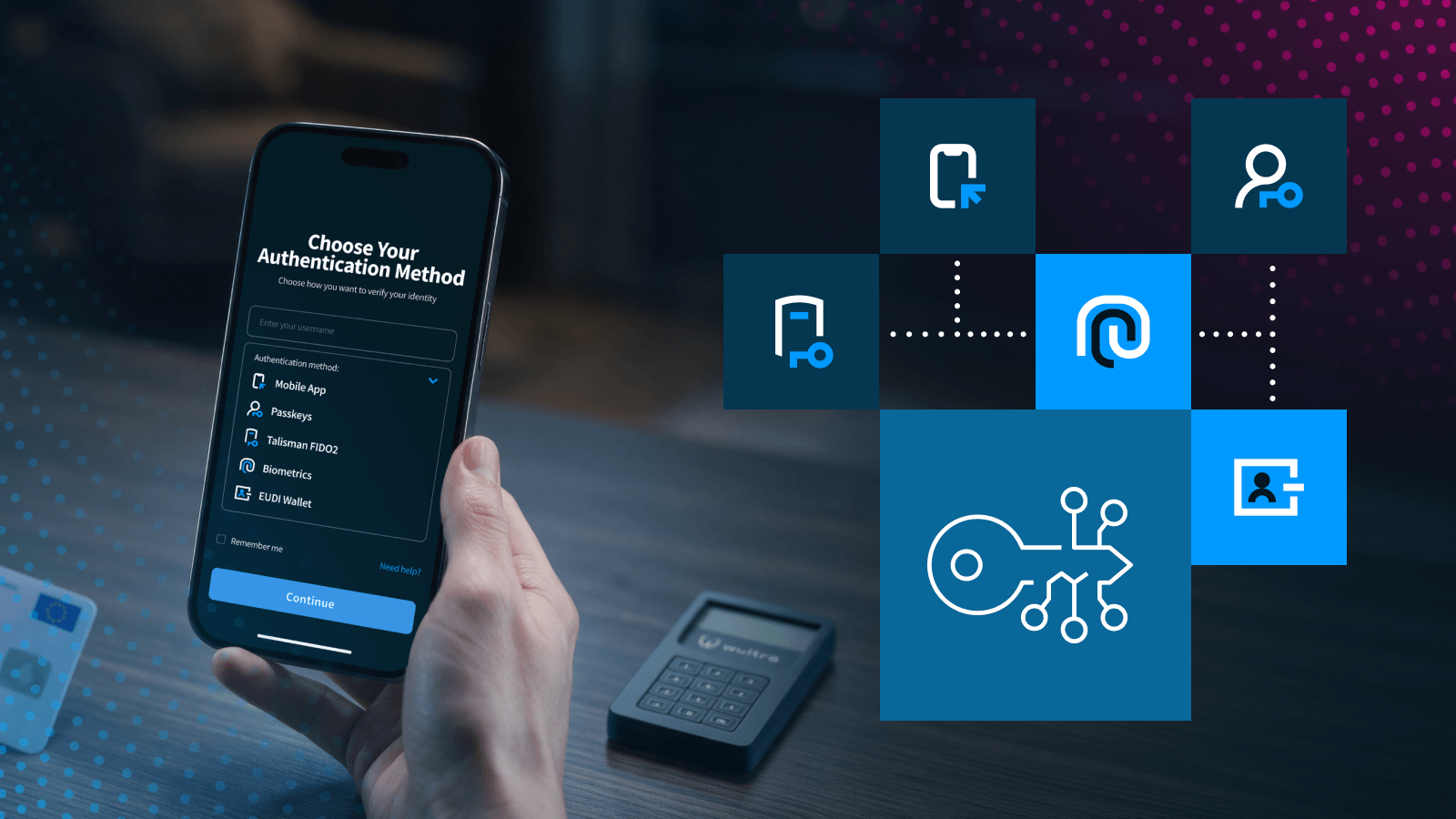
For most of the past decade, the authentication question banks asked was: Which method should we standardize on? Mobile apps provided a compelling answer, and most institutions converged on them. That question is now changing.

What Makes an Electronic Signing Process Trustworthy?

Choosing the right type of electronic signature is only part of building a reliable signing process. Banks also need to consider how the signer is identified and authenticated, how consent and document integrity are protected, and how evidence can be verified over time.

The Benefits of Single Sign-On for Digital Banking UX

This article looks at how authentication shapes the digital banking experience, why consistency matters across customer journeys, and how single sign-on helps create a more seamless user experience without compromising security.

Mobile App Security: Best Practices for Banking Apps

Building a secure mobile banking app involves more than adding security features at the end of development. Banks need to think about security throughout the entire application lifecycle, from design and authentication to application integrity, fraud monitoring, and ongoing maintenance.

Mobile In-App Protection vs. App Shielding: What’s the Difference?

Mobile applications increasingly operate in hostile environments. Unlike traditional server-side software, a mobile app runs on a device outside the organization’s control, where attackers may inspect its code, manipulate its runtime, modify the application package, or interfere with its operation.

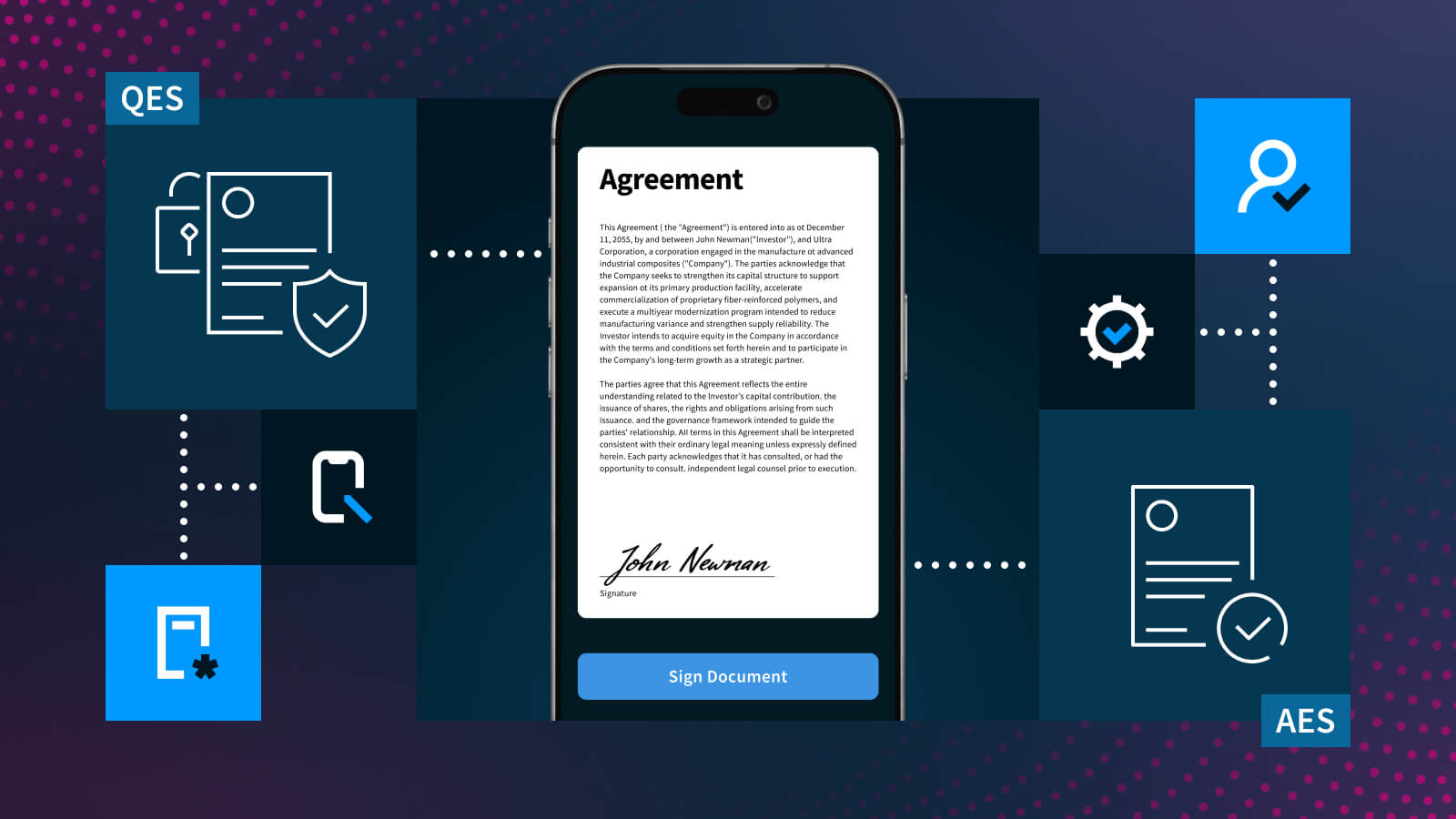
Advanced vs. Qualified Electronic Signatures Explained

Not all electronic signatures provide the same level of assurance. Under the eIDAS Regulation, advanced electronic signatures (AES) and qualified electronic signatures (QES) each serve different purposes and have different legal characteristics. This article explains the differences, how each works, and why the distinction matters.

Wultra Recognized in Gartner® Hype Cycle™ for Digital Identity, 2026

Wultra has been recognized as the only Sample Vendor listed for post-quantum authentication in the Gartner® Hype Cycle™ for Digital Identity, 2026, for the second consecutive year.

Thank you! Your submission has been received!
Oops! Something went wrong while submitting the form.